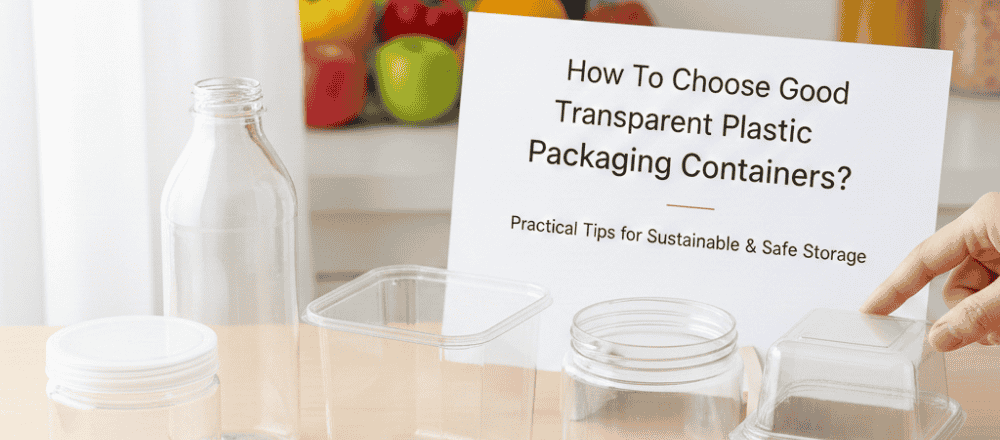
Plastic containers are in high demand in today’s fast-paced world due to their convenience and adaptability in a variety of industries. Knowing the distinctive qualities and uses of various plastic container types is essential for making wise decisions as we sort through a variety of options. The proper plastic container can greatly improve usefulness and efficiency whether you are managing industrial products, organizing domestic things, or keeping food. In order to help you make the most informed choices possible in your search for the best storage options, this comprehensive guide will examine the crucial factors to take into account when choosing the ideal plastic container for your particular requirements.
When it comes to product promotion, packaging is crucial. Pricing and marketability are also impacted. Transparent plastic packaging is widely used in numerous industries due to the wide range of materials that are accessible. This is due to the numerous advantages it offers individuals and organizations. Customers will notice your goods in a clear plastic container, making it stand out from the competitors. They will be more inclined to purchase your product as they can easily recognize it.
About Plastic Packaging Containers
Rigid or semi-rigid containers composed of synthetic polymers, plastic packing containers are used in a variety of sectors to store, safeguard, and move goods. These containers can be anything from big industrial totes used in production and logistics to tiny consumer product bottles. Food and drink storage, medications, chemicals, cosmetics, and retail packaging are typical uses.
They are prized for being lightweight, having flexible designs, and being able to take on different sizes and shapes. Plastic containers are perfect for shelf display and warehouse settings because they provide better impact resistance and corrosion prevention than glass or metal containers. Their adaptability allows them to accommodate a wide range of supply chain requirements, from single-use blister packs to reusable returnable transit packaging.
The Reasons Behind The Growing Use Of Plastic Packaging Containers
The need for plastic containers has increased dramatically due to the global trend toward cost-effective, scalable, and efficient packaging solutions. Due to their low weight, plastic containers typically need less energy to create and transport than alternatives, which is one of their main motivators.
Additionally, higher barrier qualities brought about by advances in polymer technology have increased the shelf life of perishable items. Standardized, stackable plastic containers that work well with robots and conveyor systems are also favoured by the growth of automated warehousing and e-commerce. The use of recycled plastics has expanded as a result of sustainability initiatives, and many firms are now looking for recyclable or reusable designs to achieve environmental goals.
Important Things To Take Into Account When Choosing Plastic Containers For Your Requirements
A number of important considerations should be made when choosing the ideal plastic container for your requirements. First and first, think about the kind of plastic that was utilized to make the container. For example, food storage containers constructed of polyethylene are robust and impact-resistant. Because they are recyclable and safe for food contact, they make up around 67% of plastic containers used in homes, according to research from the Plastics Industry Association.
The size and shape of the container, which should suit your requirements, is another consideration. Look for containers with tight-fitting, leak-proof lids if you’re keeping liquids. To minimize space, choose stackable designs for solid goods.
Note: You can continue to benefit from your plastic containers for many years to come by adhering to these professional recommendations.