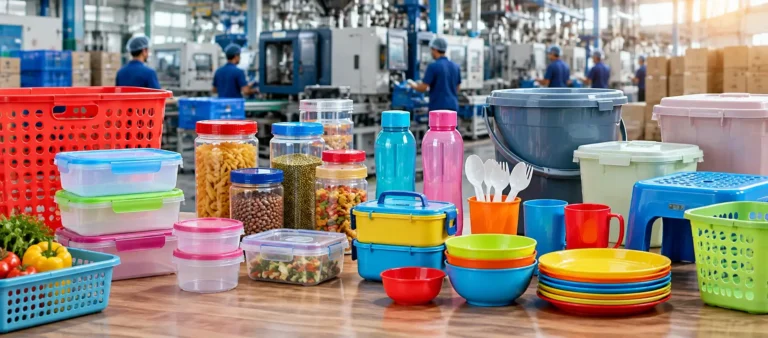
In India, plastic food containers are widely used in homes, cafes, and meal delivery services. Their convenience is difficult to match, from stackable plastic containers with lids in your refrigerator to plastic takeout containers carrying last night’s curry. Their cost-effectiveness and long-term use make it impossible to avoid them and move to alternatives, regardless of how harmful they are to our health. When it comes to food enterprises in particular, if high-quality plastic food containers are employed, they are efficient in transporting food without any spills or deterioration in food quality or presentation.
Over the past ten years, food packaging has seen tremendous change. Selecting the best packaging solution is now more crucial than ever because of the quick expansion of restaurants, cloud kitchens, and food delivery platforms. Businesses all around the world now choose Plastic Food Containers over other packaging materials. They are perfect for storing, transporting, and serving a variety of food goods because of their outstanding durability, food safety, heat resistance, and affordability.
Everything you need to know about plastic food containers will be covered in this thorough guide, including material characteristics and safety, applications, advantages, comparisons, and how to select the best plastic food containers manufacturers for your company.
Benefits Of Using Plastic Food Containers
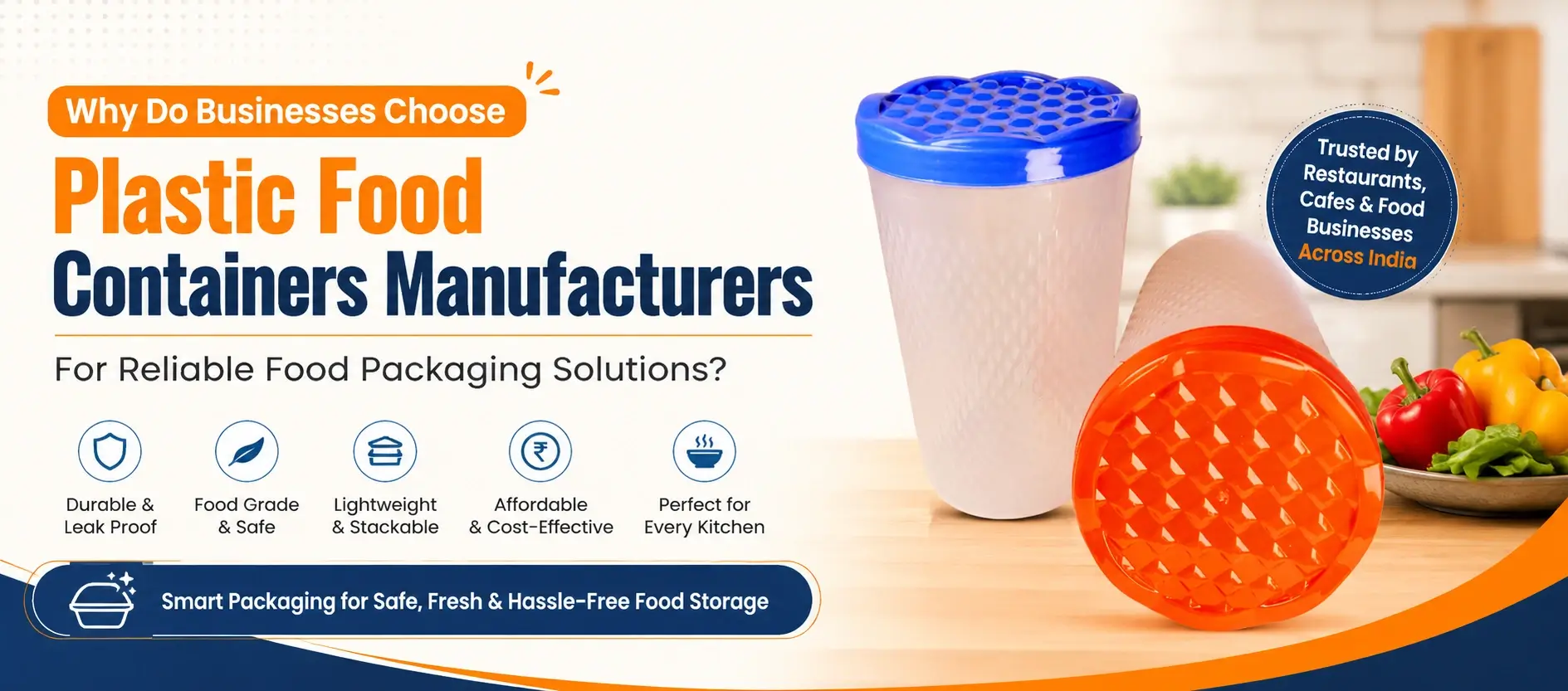
The following explains why plastic food containers are becoming an essential component of our kitchens:- Sturdiness and Resistance to Leaks The majority of plastic containers with lids are made to be strong enough to endure drops, impacts, and transport stress. Liquids, sauces, and greasy foods are kept safe throughout transportation by materials like PP and HDPE, which are robust and frequently leak-proof.
- Accessibility and Affordability In India, plastic food containers are inexpensive to manufacture and widely accessible in supermarkets, restaurants, and internet retailers. Their inexpensive production costs enable companies to keep their profit margins while providing consumers with an affordable choice for food delivery and storage.
- Space-saving and lightweight Plastic takeout containers save room in kitchen cabinets, delivery trucks, and food storage units since they are lighter and stack more easily than glass or metal counterparts. This is particularly useful for small kitchens in India.
- Enhanced Safety and Hygiene To avoid contamination and exposure to airborne microorganisms, the majority of plastic containers with lids are tightly sealed. Thus, prepared meals, takeout, and prepackaged food are safe to store and transport.
How Can Plastic Food Containers Be Used Safely?
By using plastic containers for food packaging safely, you may reduce health concerns and increase their longevity. You can use the following advice in your daily life:- Plastic containers that aren’t clearly labelled as microwave-safe should be avoided. Heat can distort plastic or release chemicals into food, particularly when it comes to greasy or acidic recipes. Transferring food to glass or ceramic containers for reheating is frequently a safer option.
- To avoid contamination and maintain freshness, plastic containers with lids should always be properly sealed. To prevent condensation, which encourages the growth of bacteria, let food cool to room temperature before sealing and chilling leftovers.
- Cleaning must be done correctly. Avoid using abrasive scrubbers that can damage the surface and leave areas where bacteria might grow. Instead, use gentle detergents. Dishwasher-safe plastics can be cleaned in a dishwasher, but frequent cycles could lead to deterioration, so keep an eye out for cloudiness or cracks.